

Together in This Moment: Chicago Jobs Council Hosts 45th Annual Meeting
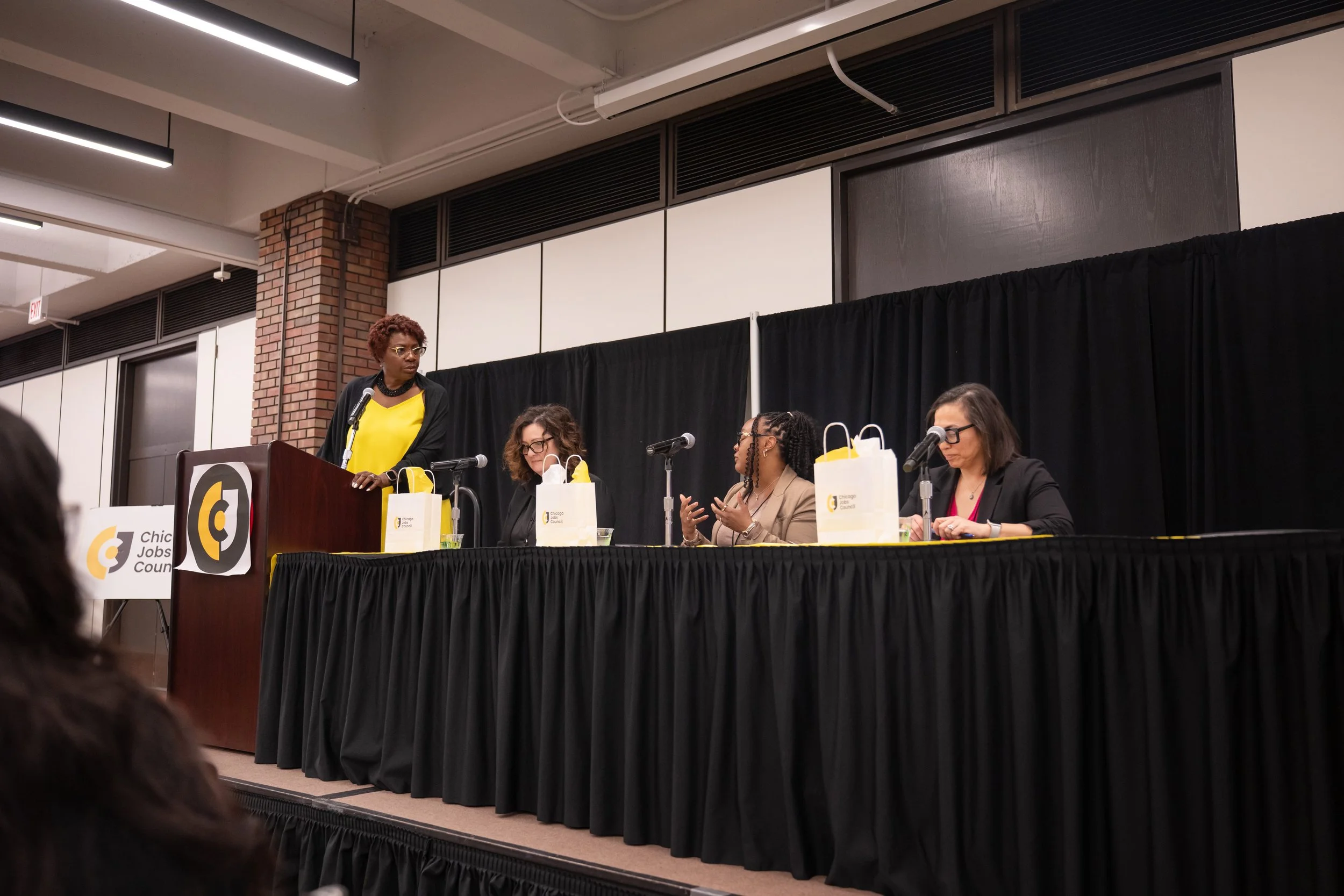
CJC CEO Dr. Lisa Bly-Jones (left) moderates a panel discussion featuring (left to right) Amy Laboy, Vice President of Programs and Community Partnerships at the Greater Chicago Food Depository; Trenity K. Dobbey, Workforce Development Director for the Chicago Mayor’s Office; and Gina Massuda Barnett, Program Director of Health Workforce at Michael Reese Health Trust.
Workforce development leaders, advocates, policymakers, nonprofit organizations, and community partners gathered on June 5 at the UIC Student Center West for the Chicago Jobs Council’s 45th Annual Meeting centered around this year’s theme: “Together in This Moment: Building Power, Advancing Opportunity.”
See photo highlights on CJC’s Facebook page
The event brought together leaders from across workforce development, healthcare, food access, government, and community systems for a timely conversation about collaboration, systems change, and the growing intersectionality of the challenges facing workers and job seekers across Illinois.
“Workforce development doesn't happen in a vacuum,” said CJC Board President Mollie Dowling in her opening remarks, reflecting on the importance of cross-sector partnership in this moment. “It happens inside an ecosystem — and every part of that ecosystem has to be working if we want to create real, lasting pathways out of poverty for people in Chicago.”
Dowling also emphasized the importance of collective action amid shifting policies, federal funding uncertainty, and increasing barriers facing communities.
“The challenges people face are interconnected. Our solutions must be interconnected, too,” said Dowling.
A major focus of the event was a panel discussion moderated by CJC CEO Dr. Lisa Bly-Jones, featuring Gina Massuda Barnett, Program Director of Health Workforce at Michael Reese Health Trust; Trenity K. Dobbey, Workforce Development Director for the Chicago Mayor’s Office; and Amy Laboy, Vice President of Programs and Community Partnerships at the Greater Chicago Food Depository.
The conversation explored how workforce development intersects with healthcare, nutrition, reentry, housing, and public systems, and highlighted the need for stronger coordination across sectors.
“Across workforce, policy, and community systems, people are navigating a great deal of uncertainty right now,” said Bly-Jones. “At the same time, we know workforce challenges do not exist in isolation. Access to employment and retaining employment are deeply connected to housing, healthcare, food assistance, transportation, reentry systems, and economic stability.
“Today’s conversation is about creating solutions across intersections – and what becomes possible when we stop treating these challenges separately.”
Throughout the discussion, panelists reflected on the real-world impact of changing workforce and public policies and discussed opportunities for collaboration to better support communities navigating systemic barriers to economic mobility.
The Annual Meeting celebrated the incredible work happening across the workforce ecosystem through CJC’s Year in Review presentation, highlighting advocacy efforts, convenings, partnerships, and the launch of the new CJC E-Learning Hub.
CJC recognized outgoing board officers for their leadership and service, including President Dowling, Secretary Rebecca Estrada, and Treasurer Loren Dinneen. The organization also welcomed its FY27 incoming officers and new board members, highlighting the continued leadership and partnership helping guide CJC’s work into the future.
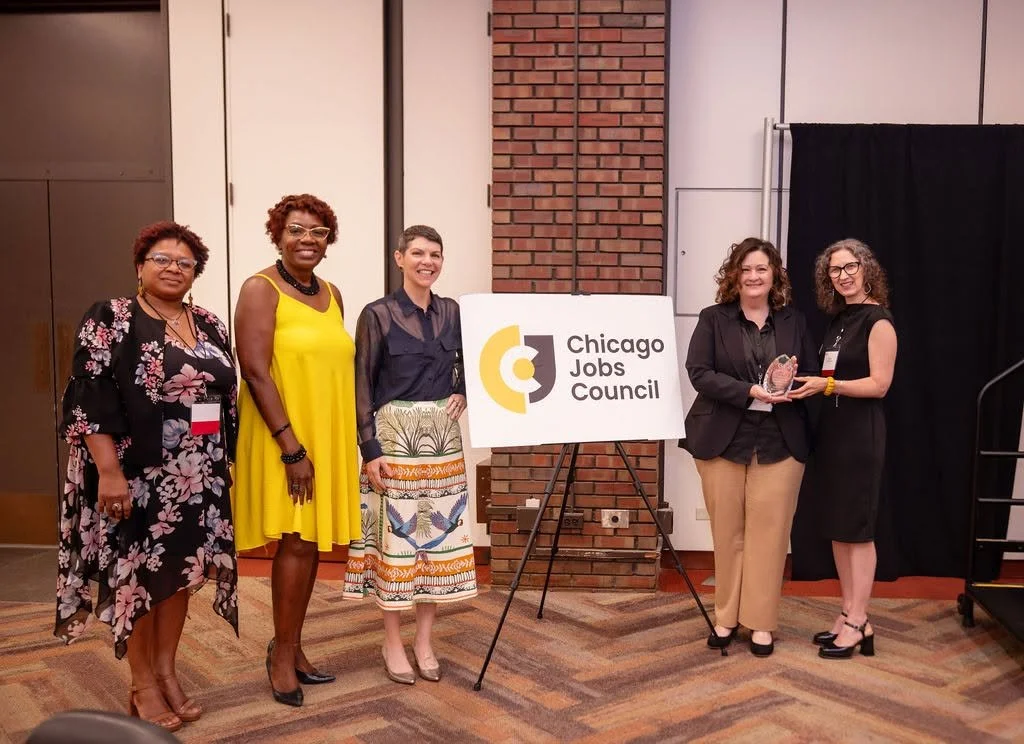
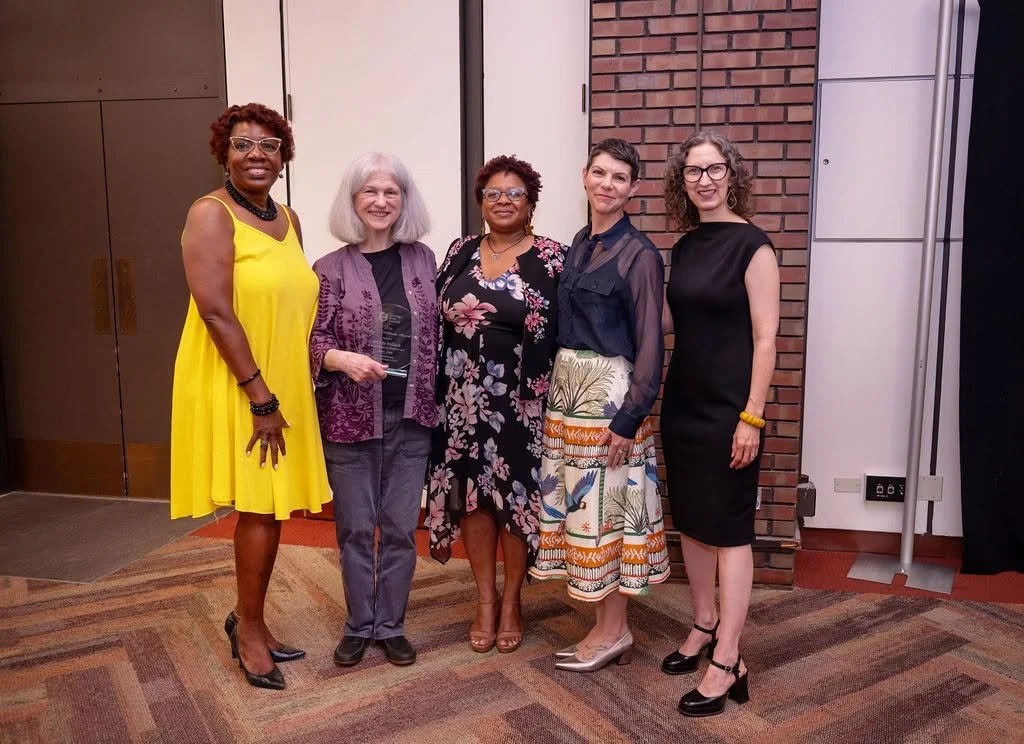
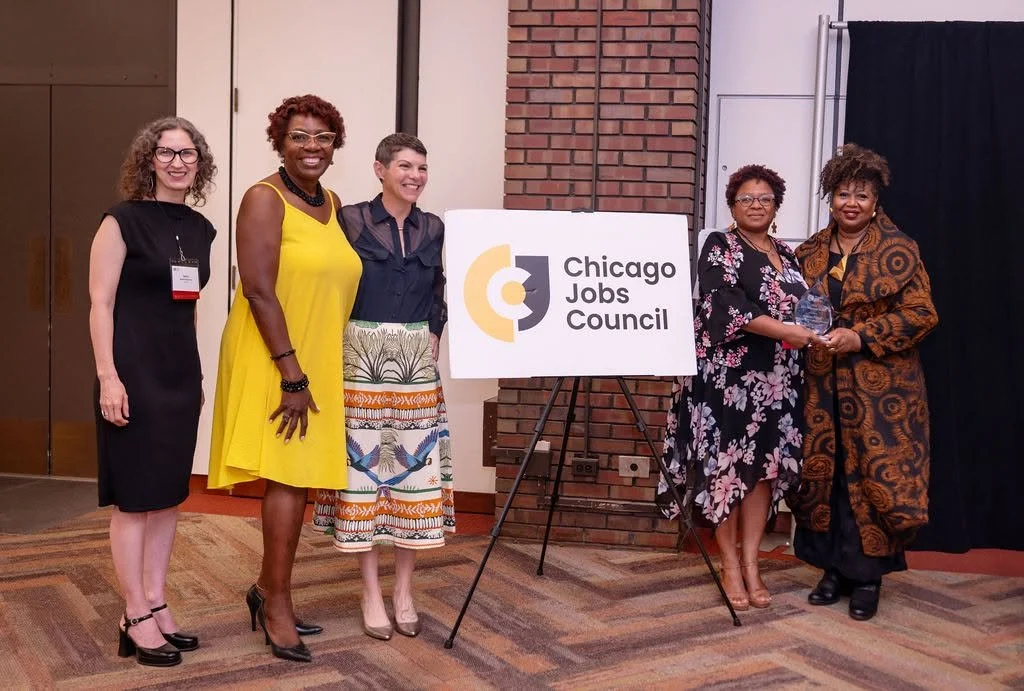
This year’s event also honored leaders whose work has had a lasting impact on workforce policy, practice, and systems change.
Award recipients included (pictured left to right above):
Field Builder Award: Greater Chicago Food Depository
Betty J. Willhoite Award: Wendy Pollack, Shriver Center on Poverty Law
Inaugural Bob Wordlaw Award: Brenda Palms, North Lawndale Employment Network
In presenting the inaugural Bob Wordlaw Award, CJC incoming Board President Lisa Hampton reflected on Wordlaw’s enduring legacy in the workforce field.
“Bob understood that workforce development was not simply about employment. It was about systems, policy, dignity, and opportunity,” said Hampton.
The event concluded with a renewed sense of partnership and shared purpose as attendees reflected on the work ahead and the importance of continuing to build power together across communities and systems.
Thank you to everyone who attended, sponsored, supported, and helped make this year’s Annual Meeting possible.